
Straight teeth aren’t just about having a nice smile; they play a bigger role in oral health, comfort, and long-term dental stability. While clear aligners and other modern options have become popular, traditional braces continue to stand out as one of the most dependable orthodontic treatments available today. If you’ve been researching orthodontic care, you’ve probably also come across queries like braces cost Sydney or even broader questions around braces cost Australia. But beyond price, the real question is: why do braces still remain the gold standard for correcting alignment issues? Let’s break it down.
Why Dental Alignment Matters More Than Just Appearance
When most people think about crooked teeth, they think of aesthetics. But misalignment affects far more than appearance.
Poor alignment can contribute to:
Difficulty cleaning teeth properly increases the risk of cavities
Uneven wear on teeth, leading to long-term damage
Jaw strain or discomfort
Speech issues in some cases
Gum disease due to trapped plaque
Straightening teeth is essentially an investment in long-term oral health, not just a cosmetic upgrade. That’s where orthodontic treatment, especially braces, plays a crucial role.
How Braces Work to Correct Alignment
Braces have been used for decades because they rely on a simple but highly effective principle: controlled, continuous pressure.
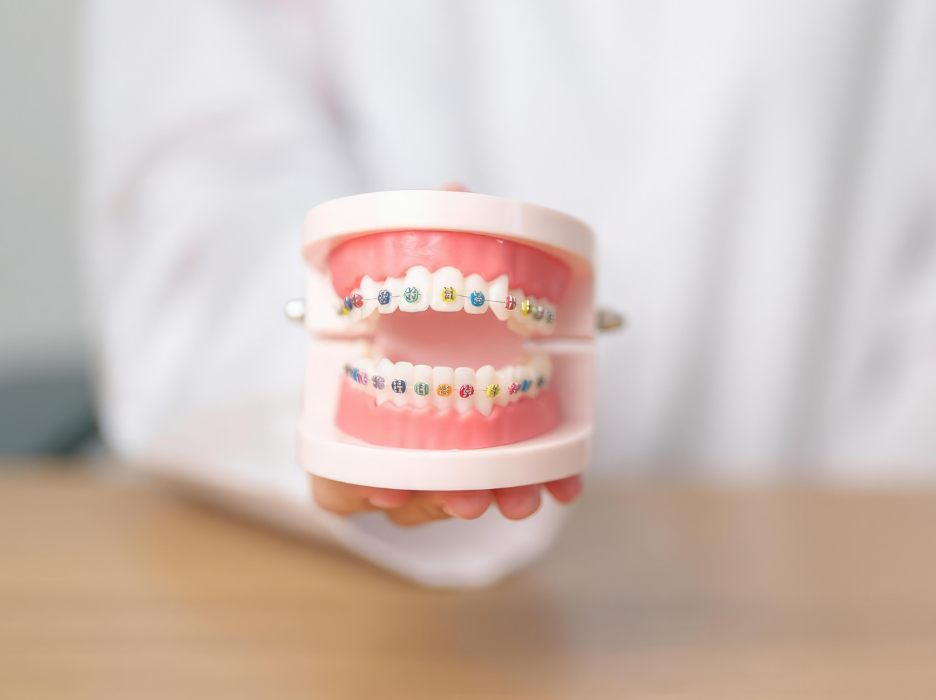
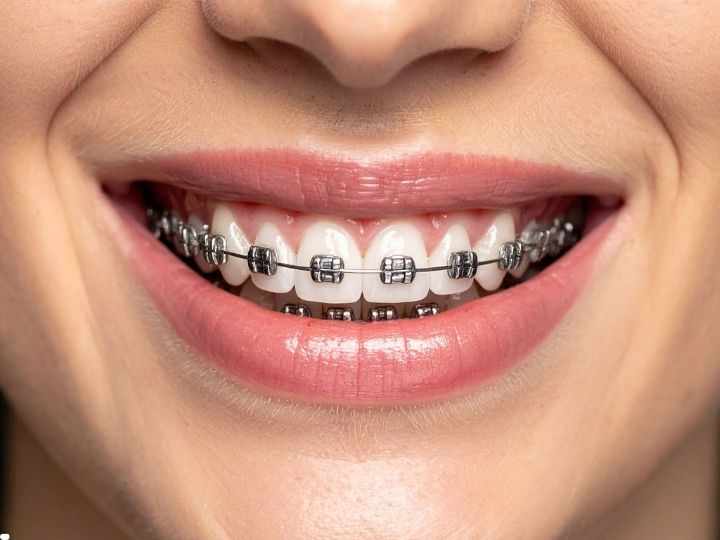
Brackets are attached to each tooth and connected by a wire. Over time, your orthodontist adjusts the tension, gradually guiding teeth into their correct positions.
What makes braces effective?
Braces are powerful because they:
Move teeth in multiple directions simultaneously
Allow precise control over complex movements
Work consistently 24/7 without patient effort
Can treat severe crowding, gaps, and bite issues
Unlike removable options, braces stay fixed in place, meaning there’s no risk of forgetting to wear them or losing progress.
Braces vs Modern Alternatives
Clear aligners have become a popular choice for adults and teens seeking a more discreet option. While they are effective in many mild to moderate cases, they do have limitations.
Here’s a simple comparison:
Braces advantages
Suitable for complex alignment issues
No compliance required (they’re always working)
Highly predictable outcomes
More control for orthodontists during treatment
Clear aligner limitations
Must be worn 20–22 hours per day
Can be removed (which sometimes leads to slower progress)
Not always suitable for severe bite corrections
This is why orthodontists still recommend braces for cases that require precision and reliability. They simply offer more control over the final outcome.
Understanding Braces Cost Sydney and Across Australia
One of the most common considerations for patients is cost. Searches for braces cost Sydney and braces cost Australia show just how important budgeting is when planning orthodontic treatment.
In general, braces in Australia can vary widely depending on complexity and treatment duration.
Average cost range
While prices differ between clinics, typical estimates include:
Mild cases: lower end of the range
Moderate to complex cases: mid to higher range
Specialist orthodontic treatment: higher end
In Sydney specifically, costs tend to be slightly higher due to demand and clinic location factors.
However, most orthodontic clinics offer flexible payment plans, making treatment more manageable over time.
Factors that affect braces cost
Several elements influence the final price:
Severity of alignment issues
Length of treatment (often 18 months to 3 years)
Type of braces used (metal, ceramic, or lingual)
Experience and qualifications of the orthodontist
Additional procedures like extractions or scans
So while braces cost Australia can vary, it’s more accurate to think of orthodontic treatment as a customised plan rather than a fixed price.
Why Braces Are Still the Most Reliable Option
Even with newer orthodontic technologies available, braces remain widely trusted for one key reason: consistency.
They don’t rely on patient behaviour, they don’t need to be removed, and they give orthodontists full control over every stage of movement.
Key reasons braces remain the gold standard:
Predictability: Treatment outcomes are highly accurate
Effectiveness: Suitable for nearly all alignment problems
Control: Orthodontists can adjust treatment in real time
Durability: Constant force ensures steady progress
For complex cases, especially, braces are still considered the most dependable path to long-term alignment success.
What to Expect During Braces Treatment
Starting braces can feel like a big commitment, but the process is quite structured and manageable.
Initial consultation
Your orthodontist will assess your teeth, take scans or X-rays, and develop a treatment plan tailored to your needs.
Fitting the braces
Brackets are attached to your teeth and connected with a wire. This appointment is usually painless, although mild discomfort may follow.
Adjustment visits
Every 4–8 weeks, you’ll visit your orthodontist for adjustments. These appointments help guide your teeth gradually into place.
Maintenance phase
Good oral hygiene is essential. You’ll need to:
Brush carefully around brackets
Avoid overly hard or sticky foods
Attend regular check-ups
Mild soreness after adjustments is normal but temporary.
Final Thoughts
Braces continue to be one of the most reliable orthodontic treatments available, particularly for people with moderate to complex alignment issues. While alternatives like clear aligners offer convenience and discretion, they don’t always match the precision and control that braces provide. When considering braces cost Sydney or researching braces cost Australia, it’s important to look beyond price alone. The real value lies in long-term results, improved oral health, and the confidence that comes with a properly aligned smile. For many patients, braces remain the most dependable path to achieving that outcome consistently, safely, and effectively.





Write a comment ...