
Taking the First Step Toward a Healthier Smile
Scheduling an orthodontic consultation is often the beginning of a journey toward improved oral health and greater confidence. Whether you are seeking treatment for yourself or your child, understanding what happens during the initial appointment can help you feel more prepared and comfortable.
Many patients visiting a St Clair orthodontic clinic are unsure of what to expect during their first consultation. The good news is that the appointment is designed to be informative, stress free, and focused on understanding your unique dental needs.
Why an Orthodontic Consultation Is Important
An orthodontic consultation provides valuable information about the health and alignment of your teeth and jaws.
Creating a Personalised Treatment Plan
Every smile is different. The consultation helps the orthodontist determine the most effective treatment approach based on your specific needs and goals.
A professional St Clair orthodontic assessment can provide clarity about whether treatment is necessary and what results may be achievable.
Reviewing Your Dental and Medical History
One of the first steps during the consultation involves gathering important background information.
Previous Dental Treatments
The orthodontist may ask about previous dental work, extractions, injuries, or orthodontic treatment that could influence your care plan.
General Health Information
Certain medical conditions and medications can affect oral health and treatment decisions. Providing accurate information helps ensure the best possible care.
Discussing Concerns and Goals
Patients are encouraged to share any concerns they have about their teeth, bite, or smile. This discussion helps the orthodontist understand expectations and priorities.
Comprehensive Examination of the Teeth and Bite
A detailed examination is a key part of the consultation process.
Assessing Tooth Alignment
The orthodontist will evaluate the position of the teeth and look for signs of crowding, spacing, or rotation.
Evaluating Bite Function
The relationship between the upper and lower teeth will be examined to identify conditions such as:
Overbite
Underbite
Crossbite
Open bite
These issues can affect both oral health and daily functions such as chewing and speaking.
Checking Jaw Development
Jaw alignment and growth patterns are also assessed, particularly in younger patients whose jaws are still developing.
Many individuals seeking guidance from a St Clair orthodontic provider are surprised to learn that jaw position can significantly influence overall treatment recommendations.
Digital X Rays
X rays allow the orthodontist to examine areas that cannot be seen during a visual inspection, including tooth roots, jawbone structure, and developing teeth.
Photographs
Photographs of the teeth, bite, and facial profile may be taken to document the current condition and assist with treatment planning.
Digital Scans or Impressions
Many orthodontic practices now use digital scanning technology to create accurate models of the teeth. These scans provide detailed information without the discomfort of traditional impressions.
Discussing Potential Treatment Options
After reviewing the examination findings and diagnostic records, the orthodontist will explain the available treatment options.
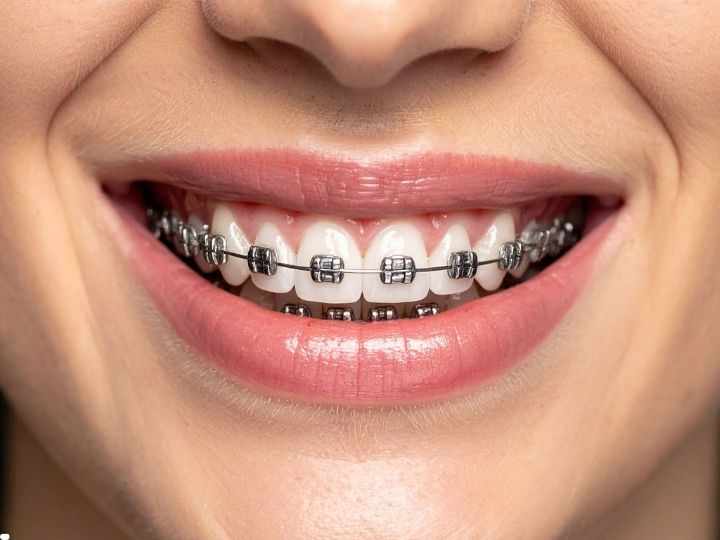
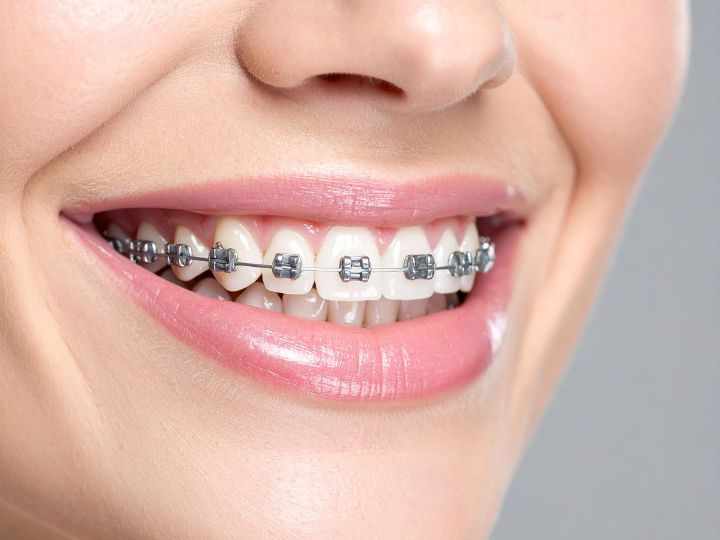
Traditional Braces
Traditional braces remain one of the most effective methods for correcting a wide range of orthodontic concerns.
Ceramic Braces
Ceramic braces function similarly to metal braces but offer a less noticeable appearance.
Clear Aligners
Clear aligners are a popular choice for patients seeking a removable and discreet treatment option.
The orthodontist will explain the benefits and limitations of each option based on your specific situation.
Understanding Treatment Duration
One of the most common questions patients ask is how long treatment will take.
Factors That Influence Treatment Time
The duration depends on several factors, including:
Severity of alignment issues
Type of treatment selected
Age of the patient
Compliance with treatment recommendations
The orthodontist can provide an estimated timeframe based on the findings from the consultation.
Setting Realistic Expectations
While treatment times vary, having a clear understanding of the process helps patients feel more confident about moving forward.
A St Clair orthodontic specialist will ensure you have realistic expectations regarding both treatment duration and expected results.
Reviewing Costs and Payment Options
Financial considerations are an important part of the decision making process.
Treatment Cost Estimates
During the consultation, patients typically receive an estimate of treatment costs based on their individual needs.
Flexible Payment Plans
Many orthodontic practices offer payment options that help make treatment more accessible for families and individuals.
Discussing costs early allows patients to plan accordingly and make informed decisions.
Asking Questions During the Appointment
The consultation is an excellent opportunity to gather information and address any concerns.
Questions About Treatment
Patients may wish to ask about:
Recommended treatment options
Expected results
Maintenance requirements
Appointment frequency
Questions About Daily Life
It can also be helpful to discuss how treatment may affect eating habits, oral hygiene routines, sports participation, and other daily activities.
FAQ
How long does a first orthodontic consultation take?
Most consultations take between 30 minutes and one hour, depending on the complexity of the case and any diagnostic records required.
Will treatment begin during the first appointment?
In most cases, the initial consultation focuses on evaluation and planning. Treatment is usually scheduled for a later date.
Do I need a referral to see an orthodontist?
Many orthodontic clinics accept patients without a referral, although some individuals may be referred by their general dentist.
What should I bring to my first consultation?
It is helpful to bring any relevant dental records, insurance information, and a list of questions or concerns you would like to discuss with the orthodontist.






Write a comment ...