
Choosing the right braces can feel overwhelming, especially when you’re trying to understand how much are braces and which option suits your lifestyle. With advancements in orthodontics, there are now several types of braces available, each offering unique benefits. This guide will help you compare your options and make an informed decision.
What Are Braces and Why Do You Need Them?
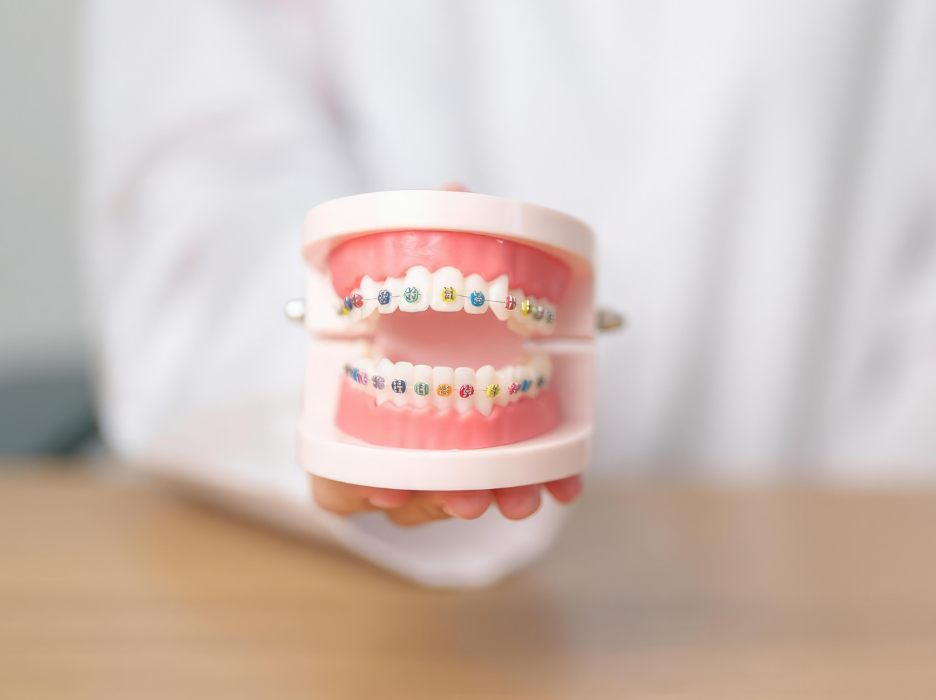
Braces are orthodontic devices designed to straighten teeth, correct bite issues, and improve overall oral health. They work by applying gentle pressure over time to shift teeth into proper alignment.
Beyond aesthetics, braces can help with:
Improved chewing and speech
Better oral hygiene
Reduced risk of tooth decay and gum disease
How Much Are Braces in Australia?
Before diving into types, many people ask: how much are braces? The cost in Australia typically ranges from $4,000 to $9,000 depending on the type, complexity, and treatment duration.
Factors That Affect Cost
Type of braces chosen
Severity of alignment issues
Length of treatment
Orthodontist’s experience and location
Types of Braces Explained
1. Traditional Metal Braces
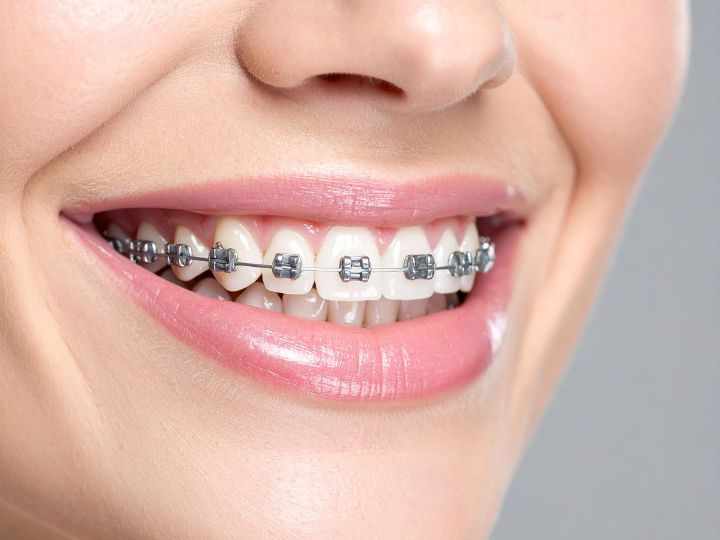
These are the most common and affordable option.
Key Features:
Made from high-grade stainless steel
Visible but highly effective
Suitable for all ages
Pros:
Cost-effective
Works for complex cases
Cons:
Noticeable appearance
2. Ceramic Braces
Ceramic braces function like metal braces but are less visible.
Key Features:
Tooth-coloured or clear brackets
Blend with natural teeth
Pros:
More discreet than metal braces
Effective for moderate to complex issues
Cons:
Slightly more expensive
Can stain if not maintained properly
3. Lingual Braces
Lingual braces are placed on the inside of your teeth, making them nearly invisible.
Key Features:
Custom-made for each patient
Hidden behind teeth
Pros:
Completely discreet
Suitable for professionals or adults
Cons:
Higher cost
Can feel uncomfortable initially
4. Clear Aligners (e.g., Invisalign)
Clear aligners are removable trays that gradually shift teeth.
Key Features:
Transparent plastic trays
Removable for eating and cleaning
Pros:
Nearly invisible
Comfortable and convenient
Cons:
Requires discipline to wear consistently
Not ideal for severe cases
Which Type of Braces Is Right for You?
Choosing the right braces depends on your personal needs and preferences.
Consider These Factors:
Budget: If you’re concerned about how much are braces, metal braces are usually the most affordable.
Appearance: Clear aligners or ceramic braces are great for a subtle look.
Complexity: Severe alignment issues may require traditional braces.
Lifestyle: Removable aligners offer flexibility but need commitment.
Consulting with an orthodontist is the best way to determine the ideal option for your situation.
Final Thoughts
Understanding the different types of braces and how much are braces can help you make a confident decision. Whether you prioritise cost, aesthetics, or convenience, there’s a solution tailored to your needs. Investing in braces is not just about improving your smile—it’s about enhancing your long-term oral health.

FAQs
1. How much are braces for adults in Australia?
Braces for adults typically cost between $5,000 and $9,000, depending on the treatment type and complexity.
2. Are clear aligners more expensive than metal braces?
Yes, clear aligners are usually more expensive due to their advanced technology and customisation.
3. How long does braces treatment take?
Treatment usually lasts between 12 to 24 months, but it can vary depending on individual cases.
4. Do braces hurt?
You may experience mild discomfort after adjustments, but it usually settles within a few days.
5. Can I eat normally with braces?
You’ll need to avoid hard, sticky, or chewy foods, especially with traditional braces, to prevent damage.





Write a comment ...